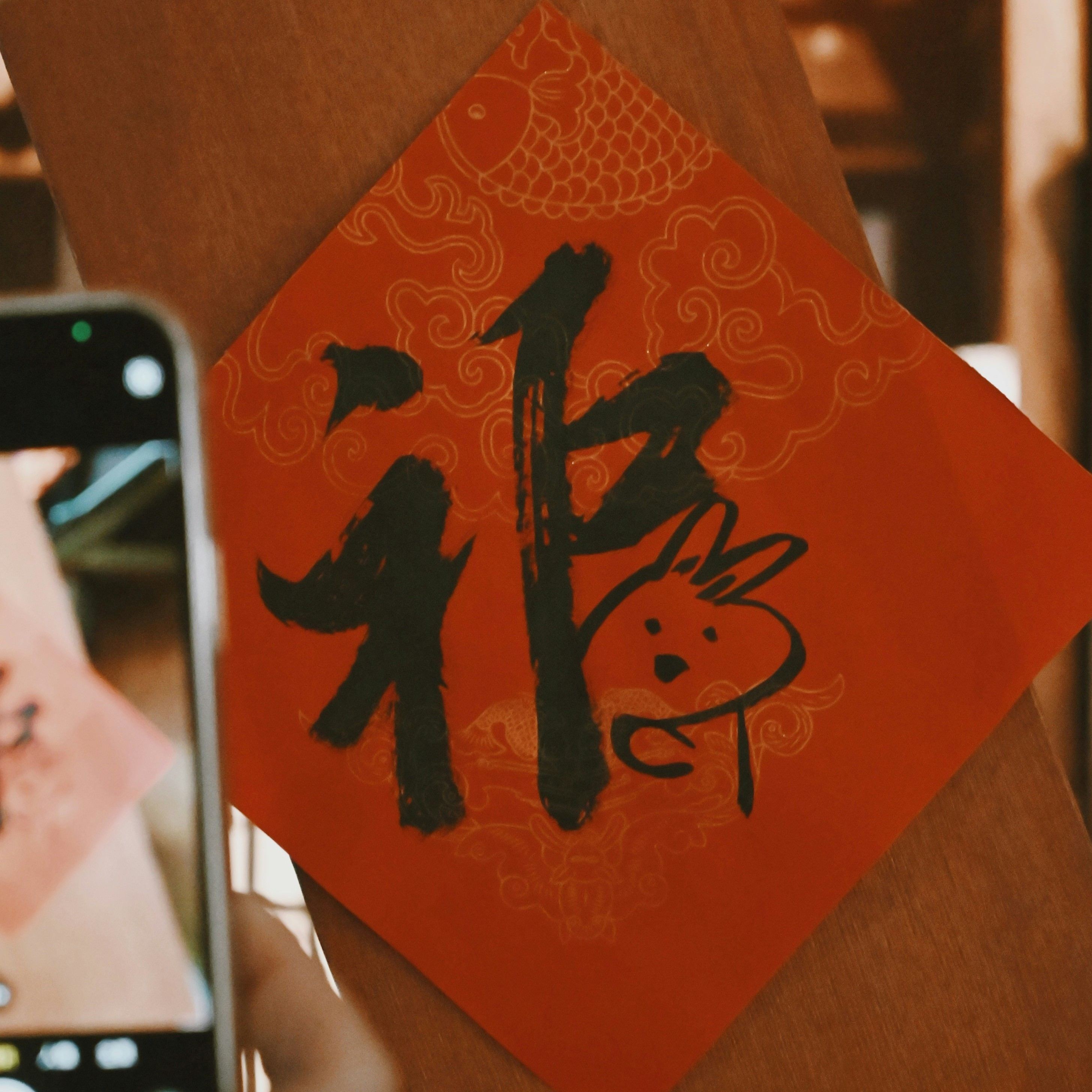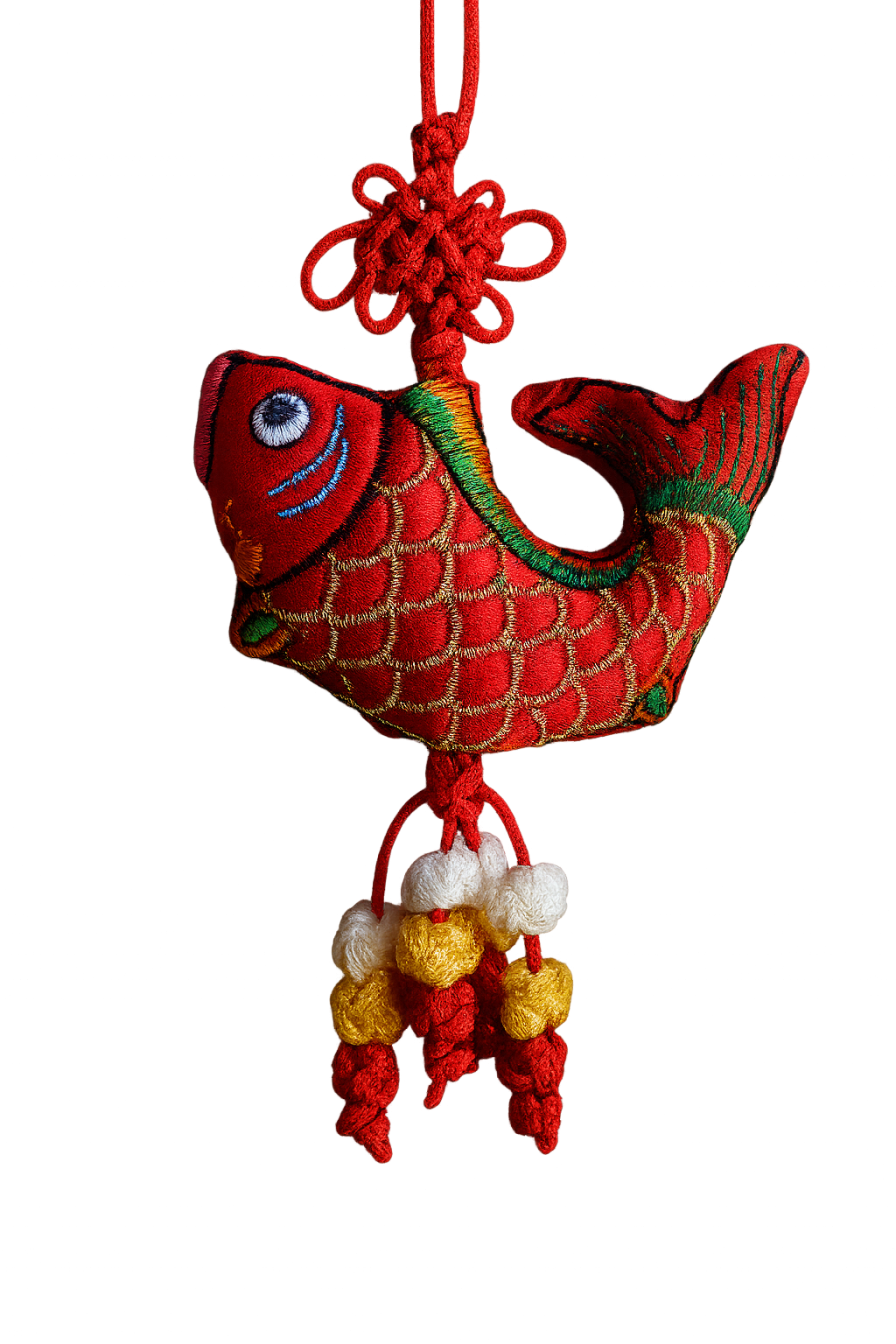
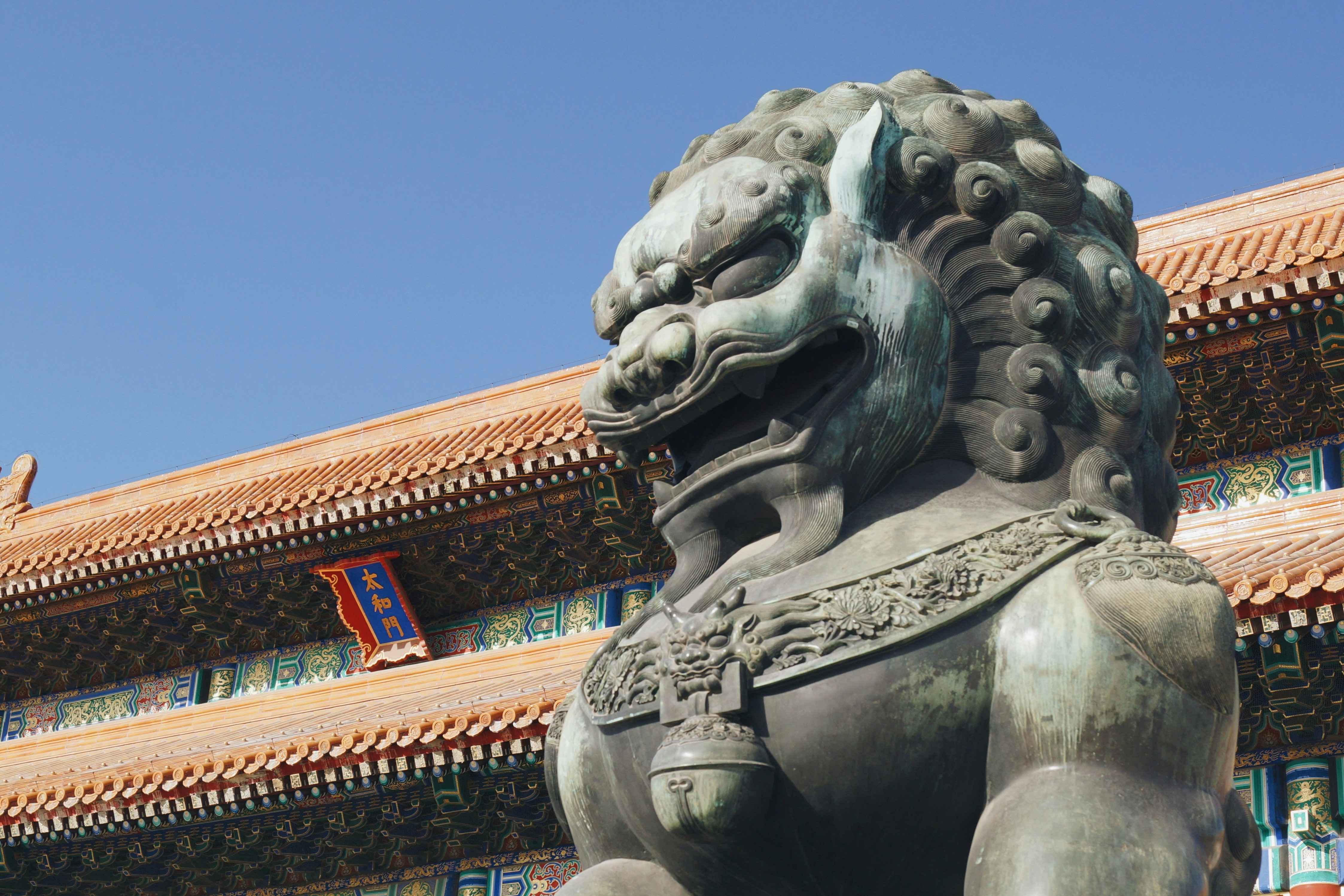
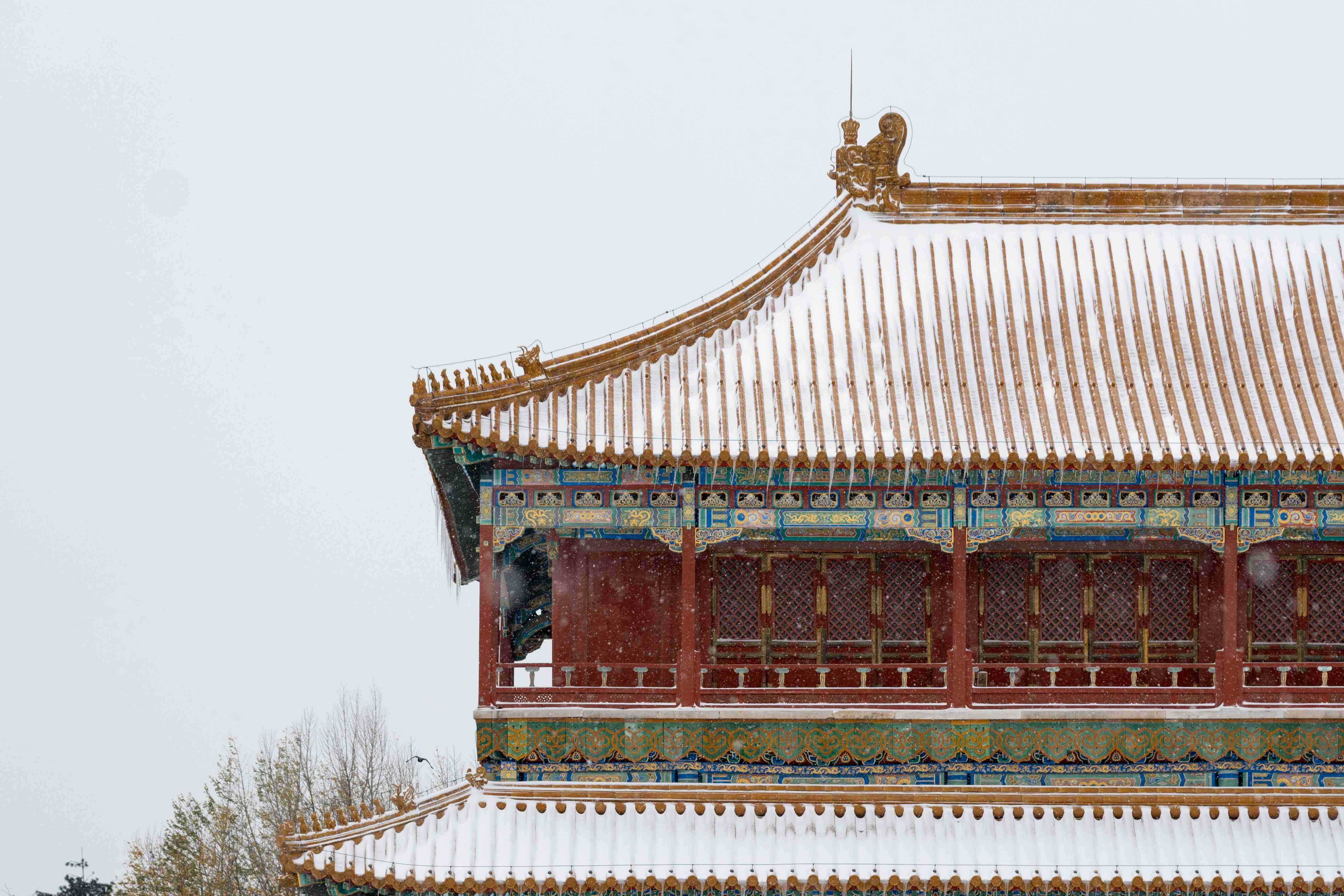
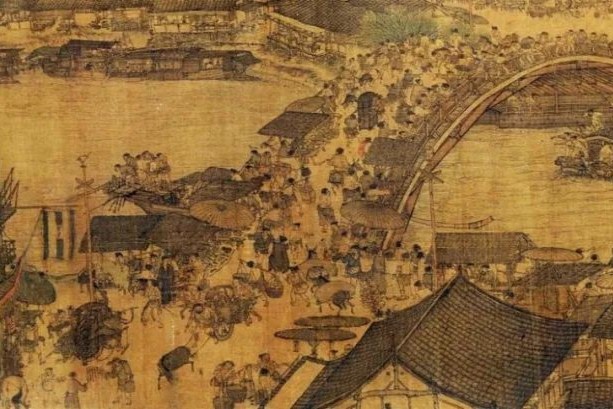
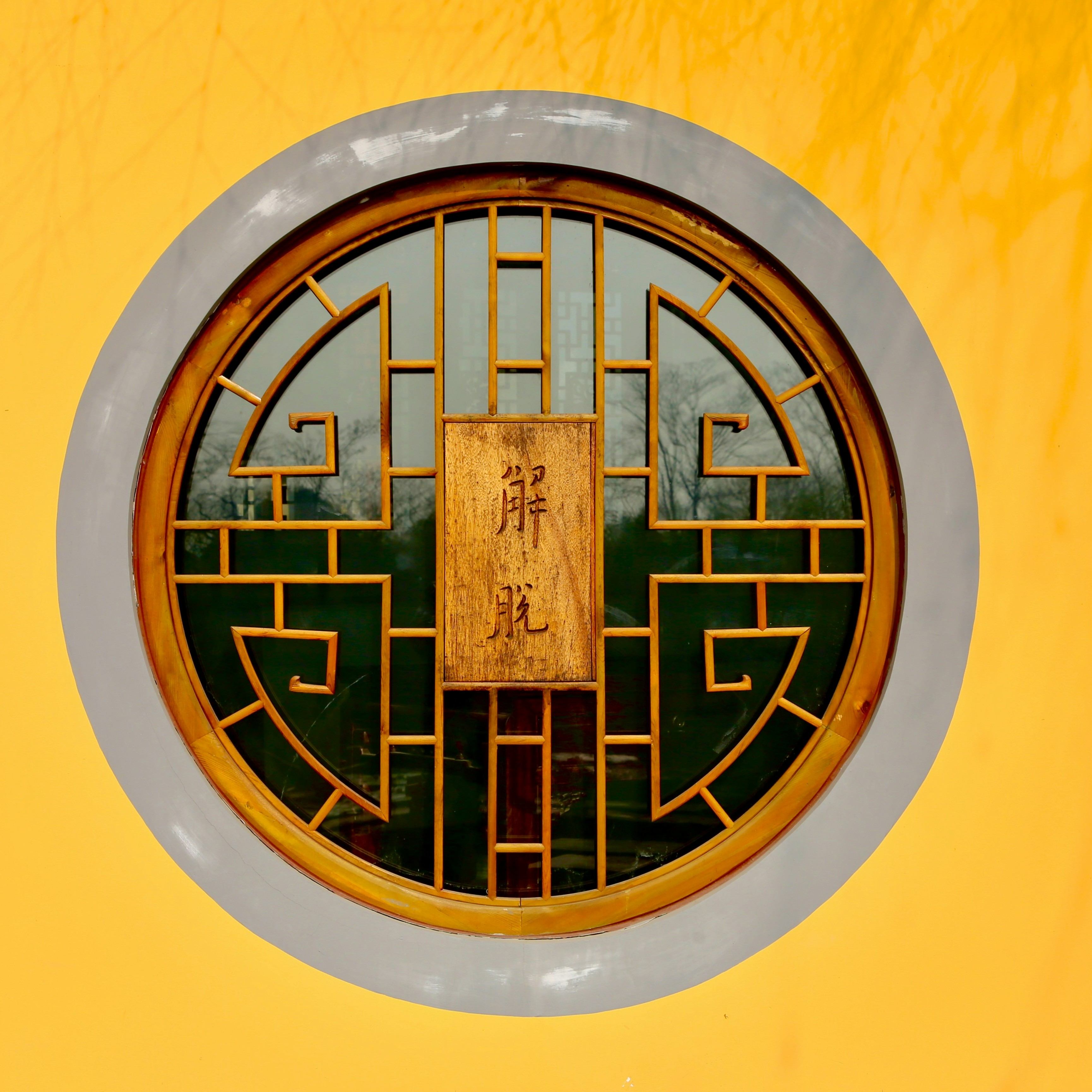
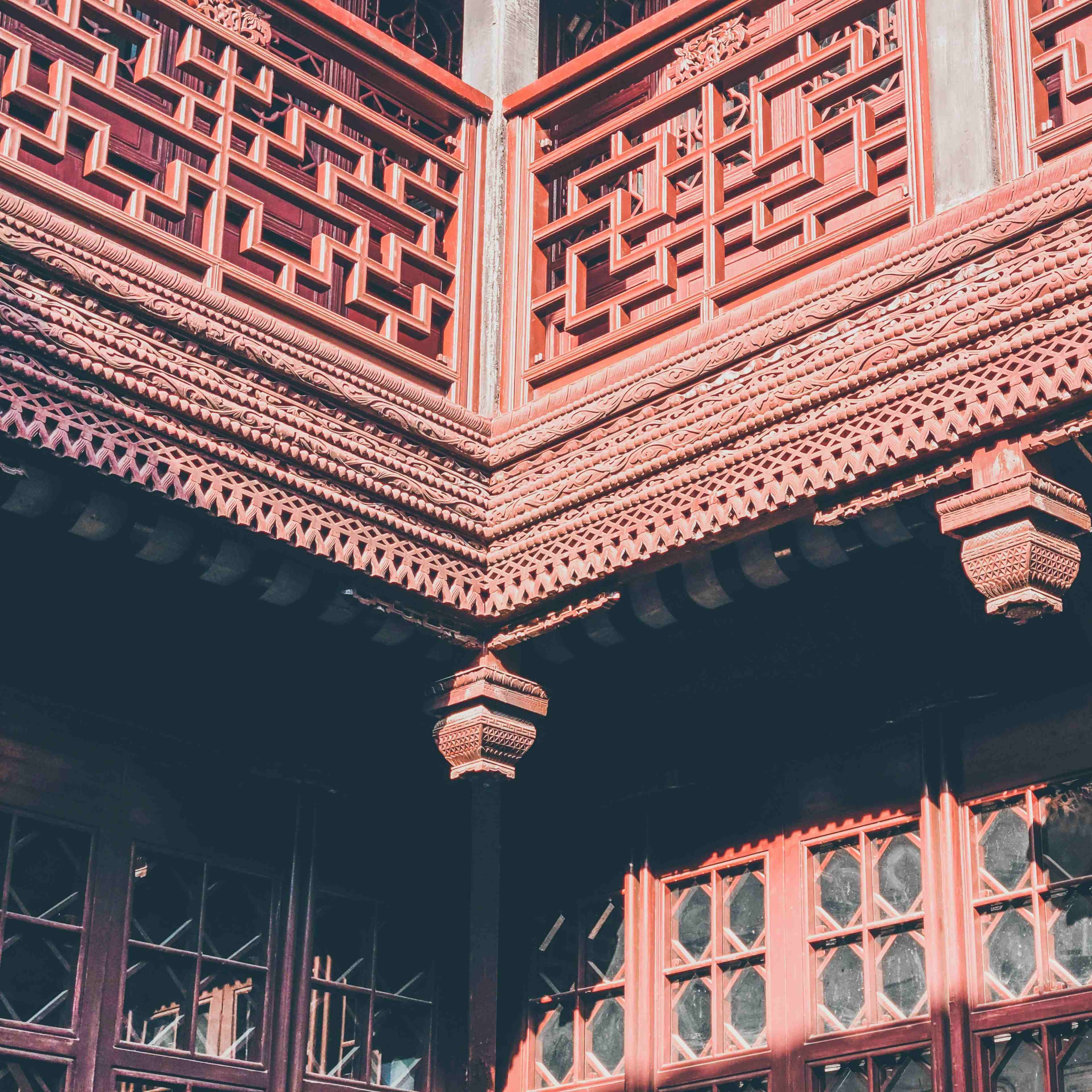
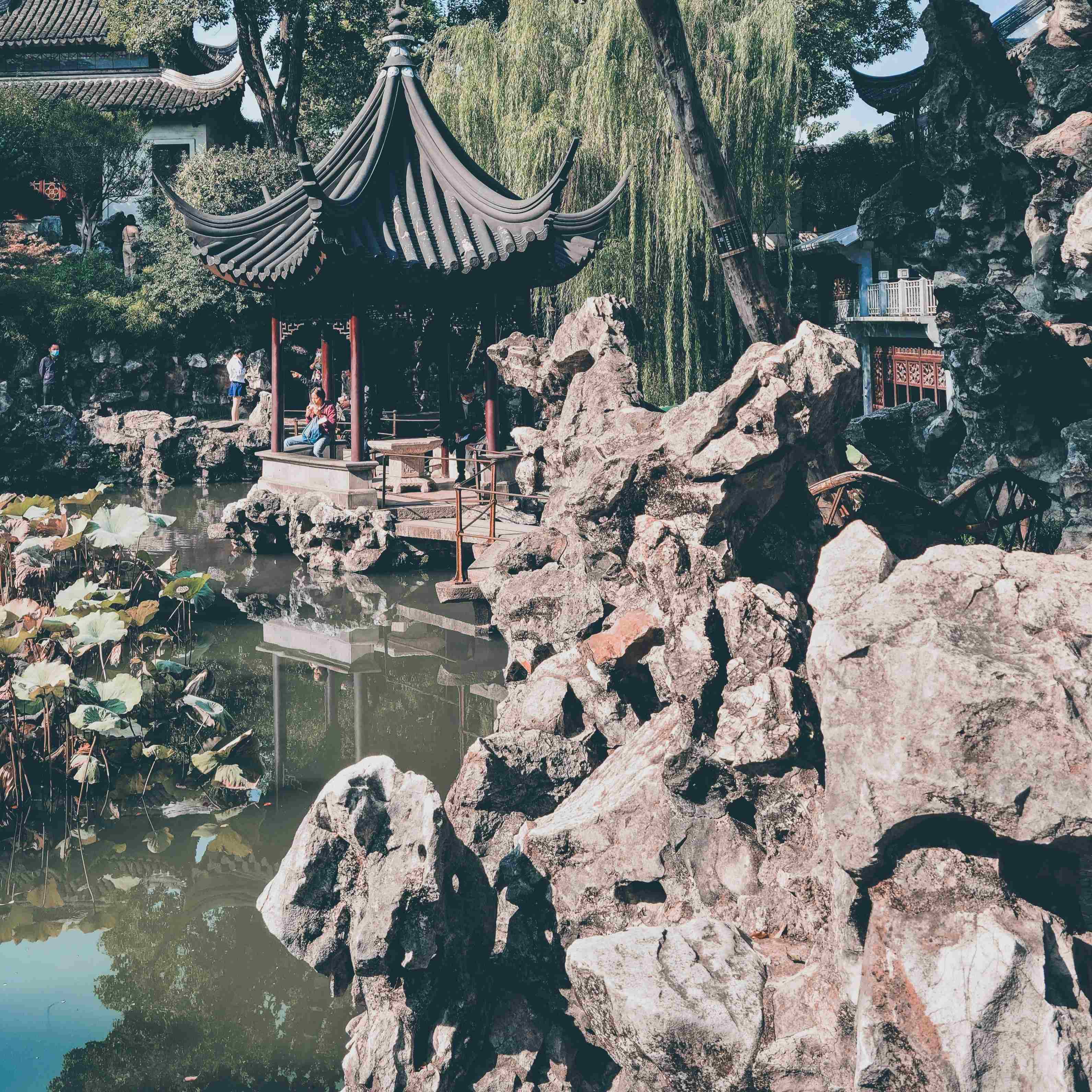
Chinese New Year, also known as the Spring Festival, is the most important traditional festival in China. It marks the beginning of the lunar new year, typically occurring between late January and mid-February, based on the Chinese lunisolar calendar. Chinese New Year is a time for family reunions, ancestor worship, and celebrations. Each year is associated with one of the 12 animals in the Chinese zodiac. The celebration lasts 15 days, ending with the Lantern Festival.
In ancient China, people feared a monster called Nian that awakened every lunar new year to devour crops, livestock, and villagers. One year, a wise old man told terrified villagers to cover their homes with red paper and prepare bamboo bundles. When Nian arrived, it recoiled at the bright red decorations. The villagers then lit the bamboo, which crackled loudly with sparks. The combination of red and explosive noise frightened Nian away forever. Since then, Chinese New Year traditions - red decorations, firecrackers, and greetings - come from this legend of scaring away the beast.
History of 3000+ years
This story take place 3000+ years ago. After the villagers survived, They celebrated their victory against the beast Thus, the celebration of the Lunar New Year became known as "Guo Nian" (Passing the Nian/Passing the Year) It symbolizes the power of the people finally overcomes the beast, and the guidance by the wisdom finally pulverized 'NIAN'
Since est.1600 Year BC
it since 1600 years ago, Emperor unified the calendar under the Taichu Calendar.This turned scattered regional celebrations into a nationwide ritual. Key customs like hanging peach wood charms (to ward off evil) and holding tribal feasts became widespread, laying the foundation for Spring Festival traditions
Flourished ard. 256 BC
Lantern displays, street performances, and temple fairs flourished in cities like Chang'an. Firecrackers (made from burning bamboo) became popular to dispel misfortune. People exchanged "New Year's cards" (handwritten notes on paper) and paper-cut window decorations. Markets sold seasonal goods, and public entertainment like puppet shows thrived.
The historical evolution in Dynasties
Han Dynasty
206 BC ~ 220 AD
The Taichu Calendar set Lunar New Year as a national observance. Peach wood charms, tribal feasts, and unified customs laid the groundwork for Spring Festival culture.
Tang Dynasty
618 AD ~ 907 AD
A golden age of celebration: public holidays, court gatherings, lanterns, street shows, temple fairs, and firecracker rituals (from bamboo) flourished.
Song Dynasty
960 AD ~ 1279 AD
Gunpowder firecrackers took over. People exchanged greeting cards, used paper cuttings, gave red envelopes to children, and enjoyed markets and puppet shows.
Ming Dynasty
1368 AD ~ 1644 AD
Red became symbolic. Spring couplets replaced peach charms; family feasts and staying up late (shousui) gained importance. "Guo Nian" became a universal term.
Qing Dynasty
1644 AD ~ 1912 AD
Manchu and Han customs merged. The Temple of Heaven ritual became central. Dumplings grew widespread, and traditions spread globally with the diaspora.
The Days before the New Year Eve
After The Chinese New Year Eve
- Visiting relatives
- Lantern Shows
- Eating Tangyuan
- Back to Routine
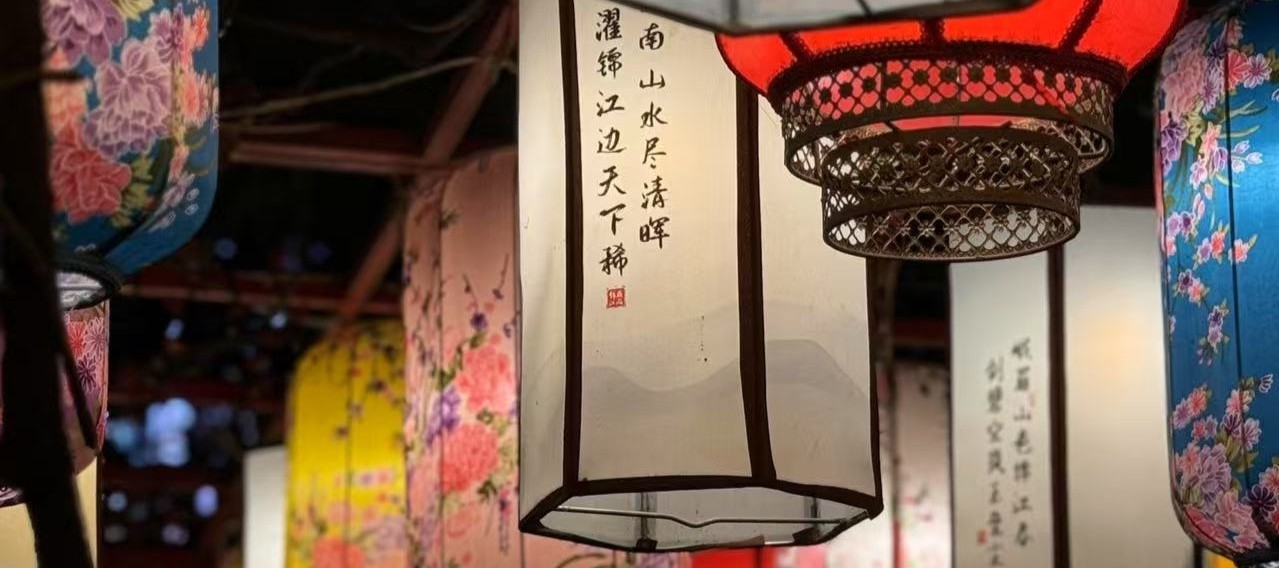
12~15day after Eve: Lantern Walks
As night falls, streets light up with intricate lanterns — rabbits, dragons, and modern icons alike. Crowds gather, cameras click, laughter echoes. For a moment, the city feels like a shared living room, aglow with tradition and togetherness.
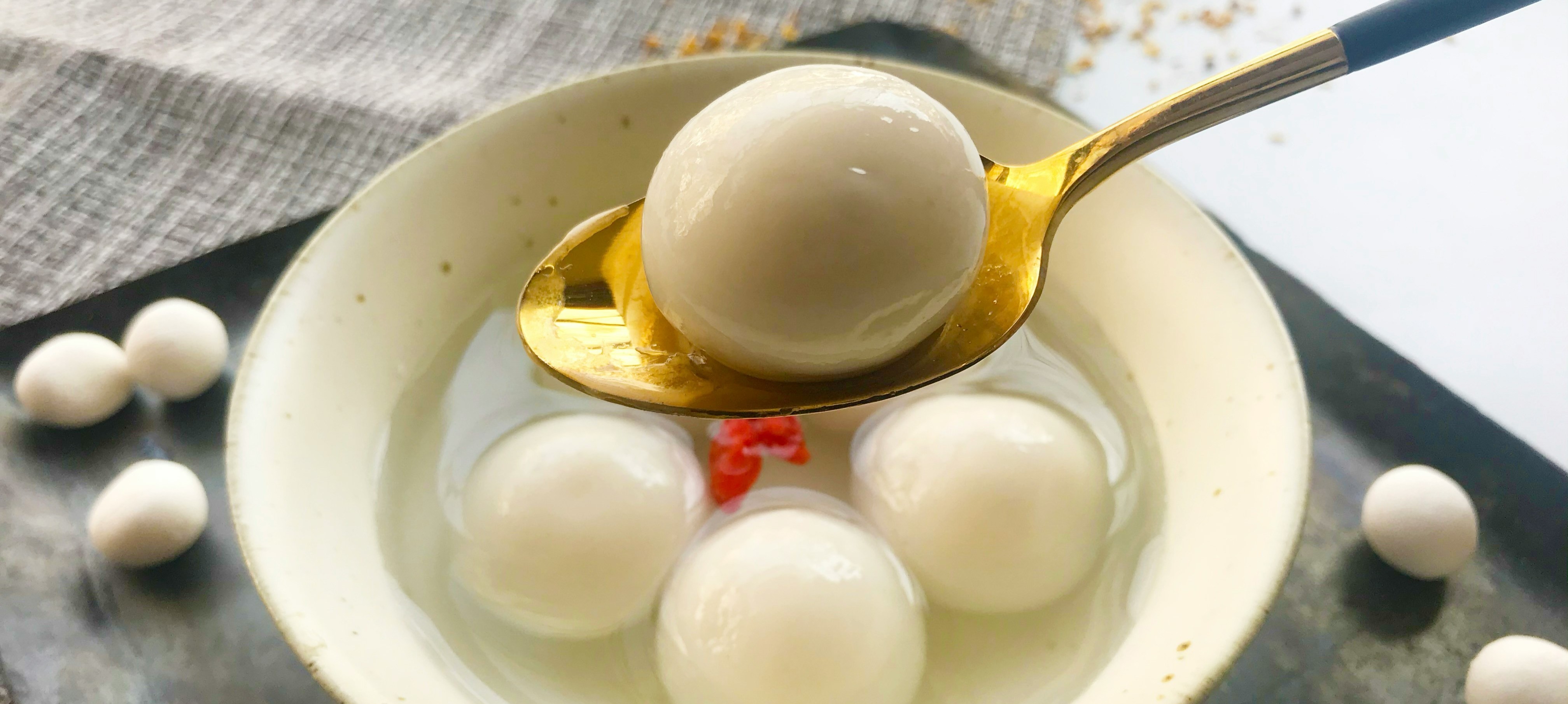
15th day after Eve: Eating TangYuan
Tangyuan, soft glutinous rice balls often filled with black sesame, peanut, or red bean, are served in warm syrup. Their gentle sweetness lingers — not just on the tongue, but in the heart.
Back to Routine, Forward with Hope
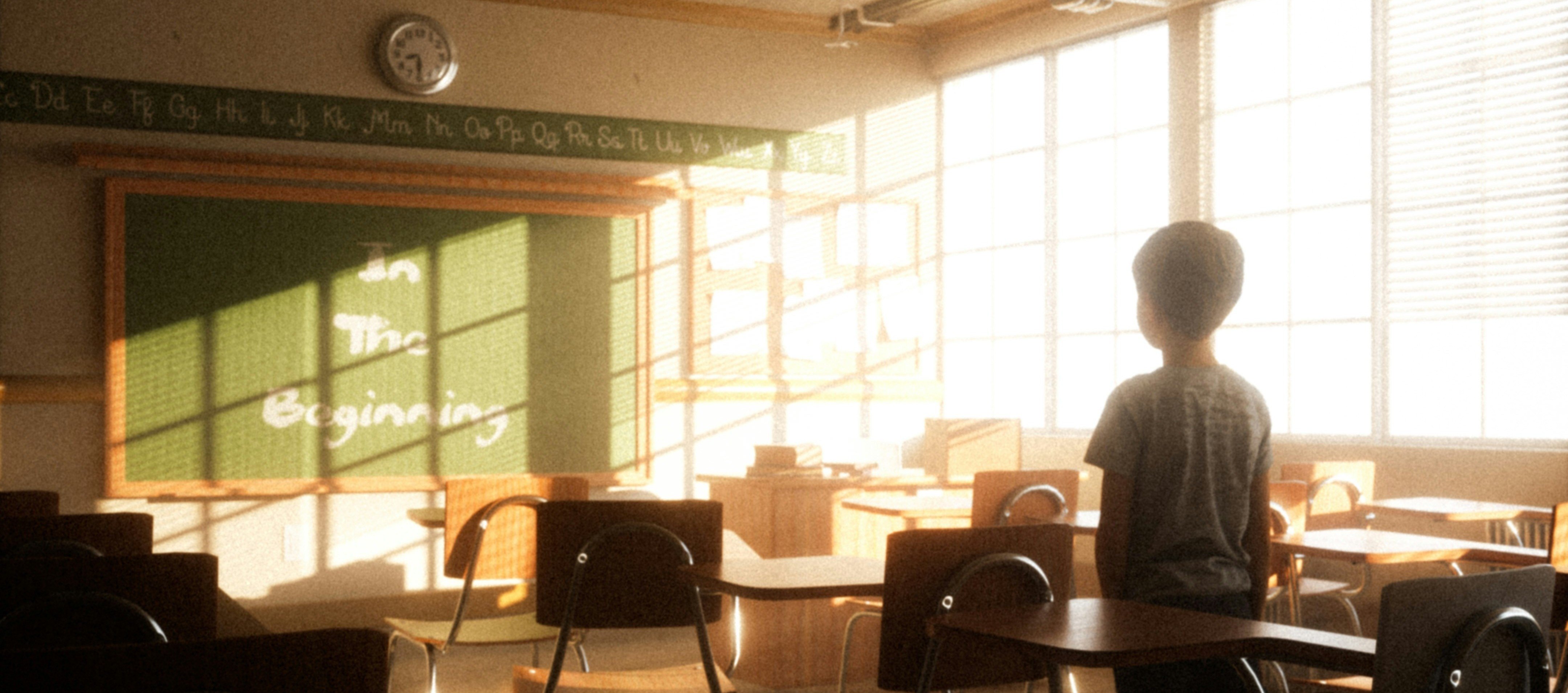
Although holidays coming to a close, students return to school and adults to their workplaces. But the spirit of the New Year doesn't end — it lingers in lunchbox notes, in office pantry oranges, in the way people greet each other with a touch more kindness.
The Future of Chinese New Year
please scroll to the right
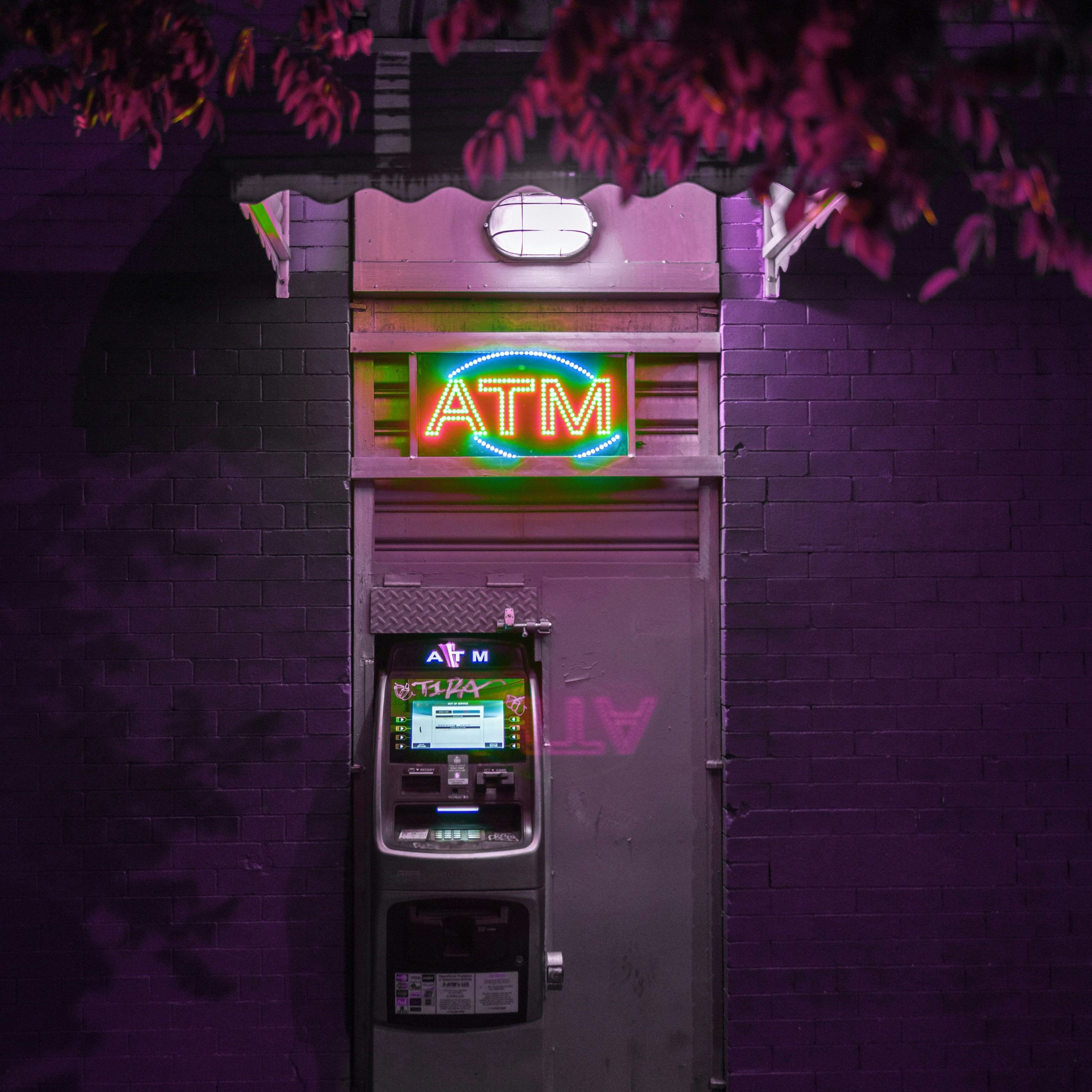
Future Red Envelopes is beyond simple e-payments. Powered by blockchain and smart contracts. Secure, traceable, warm.
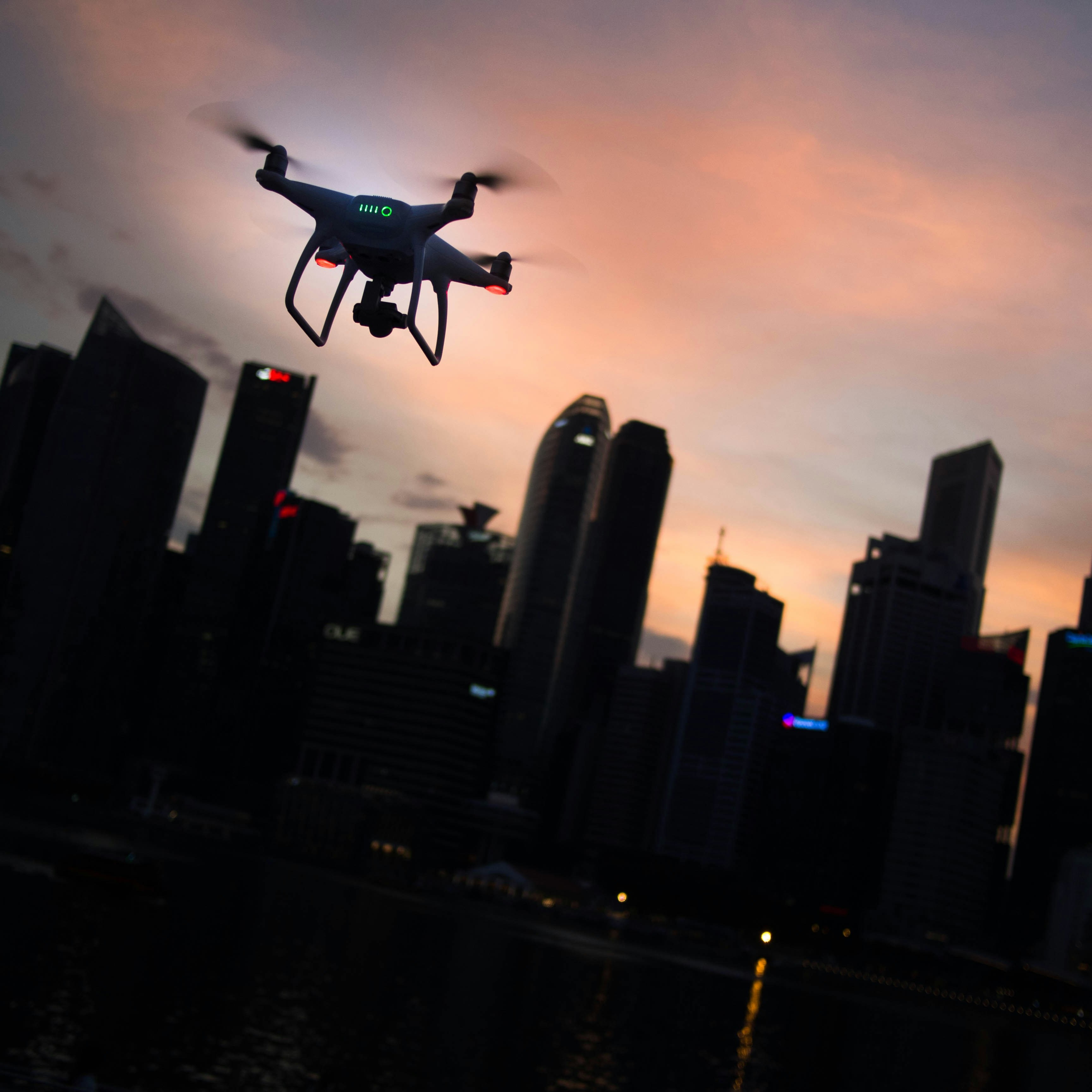
Eco-Friendly Fireworks use soundless, smoke-free compounds and AI drones. Green, quiet, spectacular.
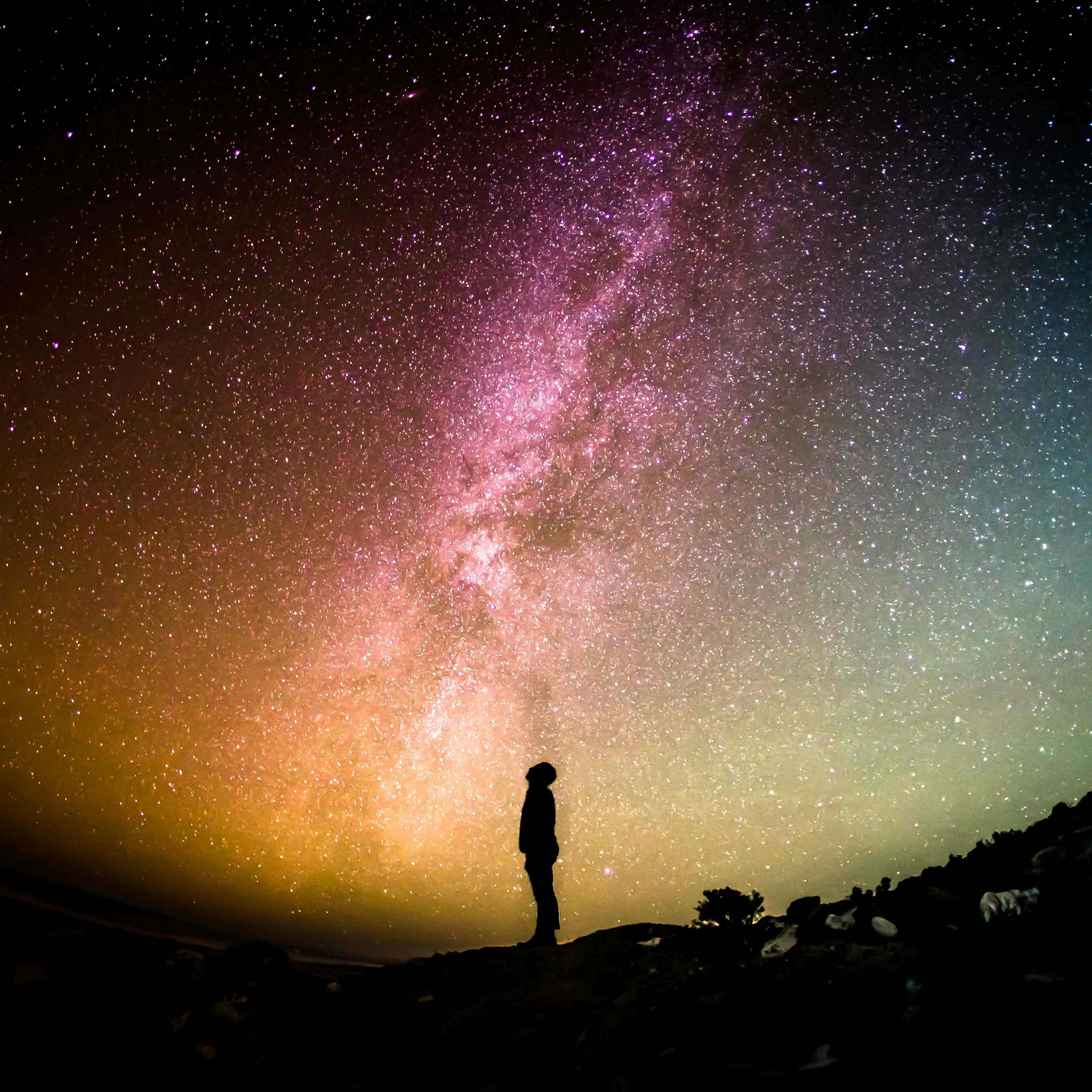
Celebrating in Space with holograms, zero-gravity food, and quantum greetings. Distant, yet connected.
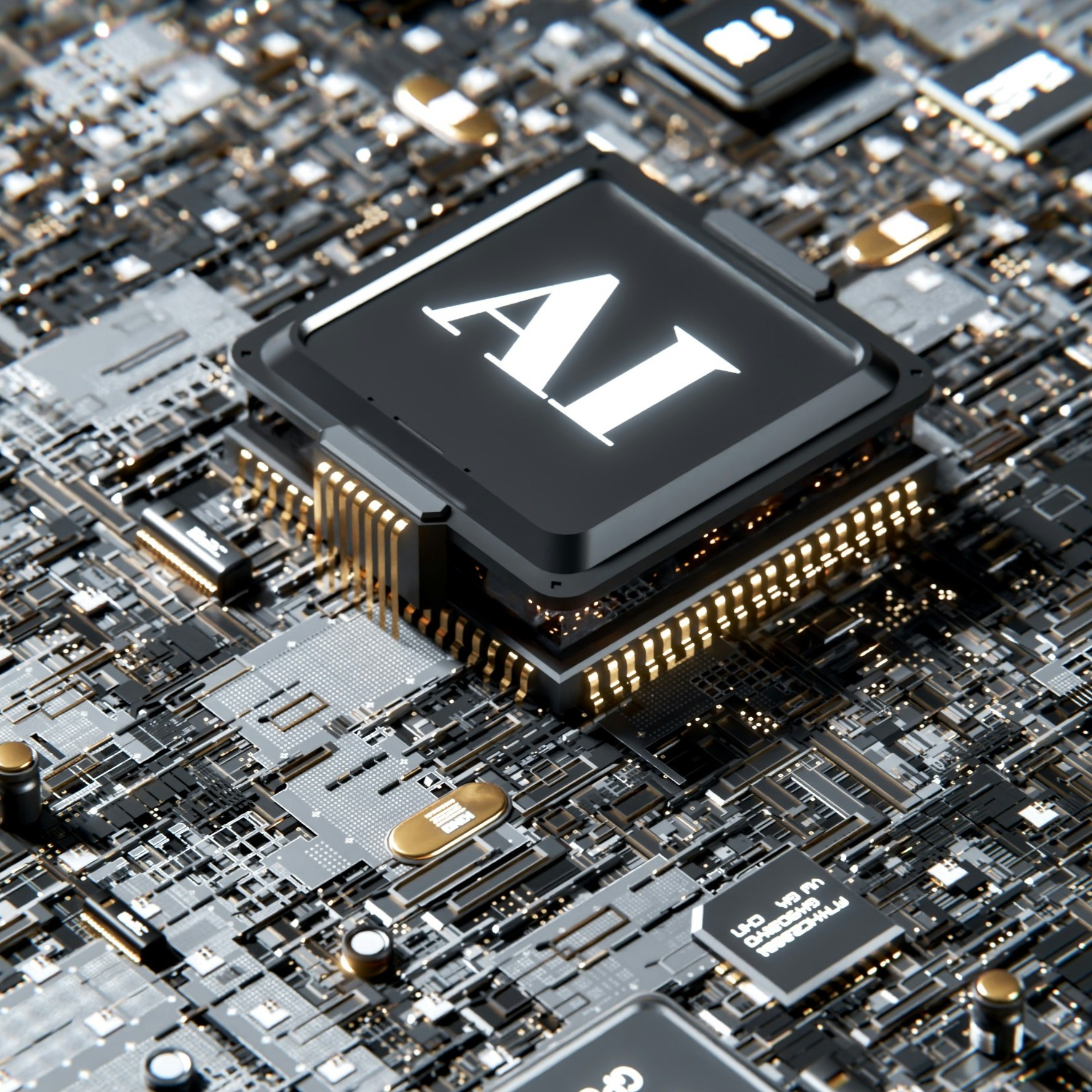
Cultural Continuity through AR and VR storytelling. Powered by artificial intelligence. Timeless spirit, modern form.